
Transform Your Home After Dark: The Complete Guide to Professional Low-Voltage Landscape Lighting
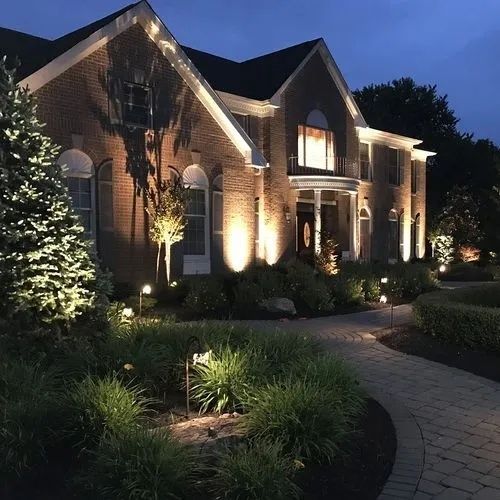
Discover how professionally designed low-voltage landscape lighting can enhance your home's beauty, improve nighttime visibility, and transform your outdoor living spaces into something extraordinary.
Your home may look beautiful during the day, but what happens when the sun goes down?
The architectural details, mature trees, carefully maintained gardens, and beautiful landscaping that make your property special often disappear into the darkness.
That's where professional low-voltage landscape lighting makes an incredible difference.
At Long Meadow Lights, we believe your home's beauty shouldn't end at sunset. Thoughtfully designed outdoor lighting can completely transform the appearance of your property, creating an elegant, welcoming atmosphere while highlighting the features that make your home unique.
From softly illuminated walkways to dramatic tree uplighting and beautifully accented architectural details, low-voltage landscape lighting combines beauty, function, and energy efficiency.
Whether you're looking to enhance curb appeal, create a relaxing outdoor atmosphere, or make your property more enjoyable after dark, professional landscape lighting offers a solution you can appreciate throughout the year.
What Is Low-Voltage Landscape Lighting?
Low-voltage landscape lighting is an outdoor illumination system that typically operates using 12-volt electricity rather than the standard 120-volt power commonly found in household electrical outlets.
A transformer reduces the electrical voltage, allowing specially designed outdoor lighting fixtures to illuminate trees, walkways, gardens, architectural details, and other landscape features.
Modern low-voltage systems commonly use LED technology, which provides beautiful illumination while consuming relatively little electricity.
Unlike temporary decorative lighting, professionally installed landscape lighting is designed to become a lasting part of your property's outdoor environment.
A well-designed system can include a variety of fixtures, each serving a particular purpose.
Some lights create subtle illumination along pathways, while others produce dramatic effects by highlighting mature trees, stonework, columns, or the architectural features of your home.
The secret to a beautiful landscape lighting display isn't simply adding more lights.
It's knowing what to illuminate, where to place the fixtures, and how to create the perfect balance between light and darkness.
That's what separates thoughtful professional lighting design from randomly placed outdoor fixtures.
The Benefits of Professional Low-Voltage Landscape Lighting
1. Dramatically Improve Your Home's Curb Appeal
Your home's exterior makes the first impression on visitors, neighbors, and potential buyers.
During daylight hours, landscaping, architectural details, and exterior finishes contribute to that appearance.
But once darkness arrives, much of that beauty can disappear.
Professionally designed landscape lighting helps reveal the features of your home that might otherwise go unnoticed at night.
Imagine a beautiful stone facade softly illuminated with warm light, mature trees glowing against the evening sky, and subtle pathway lighting leading guests toward your entrance.
These carefully designed lighting effects can give your home a sophisticated, luxurious appearance.
Landscape lighting is particularly effective on properties featuring:
- Mature trees and ornamental landscaping
- Natural stone or brick exteriors
- Architectural columns and entryways
- Decorative gardens and flower beds
- Long driveways and winding walkways
- Patios, retaining walls, and outdoor entertaining areas
With the right design, your property can look just as impressive at night as it does during the day.
2. Improve Visibility Around Your Property
While landscape lighting is often associated with aesthetics, it also serves an important functional purpose.
Properly placed outdoor lights can improve visibility around walkways, steps, entrances, and other areas where people move after sunset.
A dark walkway or poorly illuminated set of outdoor steps can be difficult to navigate, particularly for guests unfamiliar with your property.
Low-voltage landscape lighting can provide gentle illumination without creating the harsh brightness associated with traditional floodlights.
The goal is to make outdoor spaces easier to navigate while maintaining an attractive, comfortable atmosphere.
Pathway lights, step lights, and strategically placed fixtures can help define walking areas and highlight changes in elevation.
Good lighting design balances visibility with visual comfort, helping avoid excessive glare and unnecessary light spilling into nearby windows or neighboring properties.
3. Extend the Enjoyment of Your Outdoor Living Spaces
Your backyard shouldn't become unusable just because the sun has set.
Whether you enjoy relaxing on your patio, hosting backyard gatherings, or spending quiet evenings outdoors, landscape lighting can make your outdoor spaces more inviting.
Imagine sitting outside on a warm summer evening surrounded by softly illuminated trees, glowing garden beds, and subtle architectural lighting.
The right lighting creates atmosphere without overpowering the natural beauty of your surroundings.
Low-voltage lighting can enhance outdoor areas such as patios, decks, pergolas, gardens, and seating spaces.
Instead of relying on one bright exterior fixture, multiple carefully placed lights can create layers of warm illumination.
The result is an outdoor environment that feels comfortable, welcoming, and thoughtfully designed.
4. Enjoy Energy-Efficient LED Technology
Modern LED landscape lighting offers an excellent combination of performance, longevity, and energy efficiency.
Traditional incandescent lighting converts a significant portion of its energy into heat. LED lighting generally uses much less electricity to produce a comparable amount of illumination.
For homeowners who want their landscape lighting to operate for several hours each evening, that efficiency can make a meaningful difference.
LED fixtures also typically have longer operating lifespans than traditional incandescent bulbs, reducing how frequently lighting components need replacement.
Many systems can be paired with timers, photocells, or compatible smart controls to manage when the lights turn on and off.
A properly designed LED landscape lighting system can provide beautiful outdoor illumination without the energy demands of older lighting technologies.
Popular Types of Low-Voltage Landscape Lighting
One of the biggest advantages of professional landscape lighting is the ability to combine different lighting techniques into a cohesive design.
Each technique produces a different visual effect.
At Long Meadow Lights, we believe the best outdoor lighting designs complement the property's natural features rather than compete with them.
Tree Uplighting: Highlight the Natural Beauty of Mature Trees
Tree uplighting is one of the most dramatic and visually impressive landscape lighting techniques.
Fixtures are positioned near the base of a tree and directed upward to illuminate the trunk, branches, or canopy.
This technique can emphasize the unique shape and texture of mature trees, creating beautiful contrast against the nighttime sky.
Large ornamental trees, maples, oaks, and other mature landscape features can become stunning focal points when illuminated correctly.
Tree uplighting works especially well on properties with established landscaping and expansive front or backyards.
Rather than lighting every tree, a professional design may selectively highlight certain specimens to create visual depth and balance.
Pathway Lighting: Beautifully Illuminated Walkways
Pathway lighting combines practical functionality with attractive outdoor design.
Small fixtures positioned along walkways, garden paths, and entrances help provide guidance while enhancing the surrounding landscape.
The best pathway lighting isn't necessarily the brightest.
Instead, it provides comfortable, consistent illumination without creating glare or making the fixtures themselves the dominant visual feature.
Proper spacing and placement help create a natural appearance.
Whether your property features a winding stone walkway, a traditional front entrance, or a garden pathway, subtle lighting can make these areas feel more welcoming after dark.
Architectural Uplighting: Showcase Your Home's Best Features
Architectural landscape lighting highlights the structural details that give your home its character.
Stone walls, brick facades, columns, entryways, and decorative exterior features can take on a completely different appearance when illuminated from carefully selected angles.
Warm, directional lighting creates shadows and textures that add depth to the exterior.
This technique is particularly attractive on traditional colonial homes, stone residences, and larger estate properties throughout Chester County.
A carefully designed architectural lighting system can help your home stand out without making it appear overly bright.
Garden and Landscape Accent Lighting
Beautiful gardens deserve attention after sunset, too.
Accent lighting can highlight ornamental shrubs, flowering plants, decorative boulders, water features, and other landscape elements.
Rather than flooding the entire garden with light, individual fixtures create focused areas of illumination.
This produces a layered appearance that adds visual interest and dimension.
Accent lighting can also change how your landscape feels throughout the seasons.
In spring and summer, lighting may reveal lush foliage and colorful gardens. During fall and winter, it can highlight branching structures, evergreen plants, and architectural features.
Patio and Outdoor Entertainment Lighting
Outdoor entertaining areas benefit from lighting that feels warm and inviting.
Low-voltage fixtures can provide accent and functional illumination around patios, seating walls, steps, and outdoor gathering spaces.
Carefully selected fixtures can improve visibility while maintaining a relaxing evening atmosphere.
The key is selecting lighting levels appropriate for each area.
A seating area may benefit from soft ambient illumination, while steps and transitions between elevations may require more focused light.
When properly planned, outdoor lighting creates a welcoming environment for family gatherings, quiet evenings, and special celebrations.
Why Professional Landscape Lighting Design Matters
It's easy to assume that installing landscape lighting simply means purchasing a few fixtures and placing them around the yard.
However, creating a truly beautiful outdoor lighting system requires careful planning.
Professional lighting design considers several important factors.
Choosing the Right Fixtures
Different lighting applications require different beam angles, brightness levels, and fixture styles.
A large mature tree may require a different type of fixture than a narrow pathway or architectural column.
Selecting the appropriate equipment helps achieve the intended visual effect.
Proper Fixture Placement
A fixture positioned only a few feet away from its ideal location can produce an entirely different appearance.
Placement affects shadow patterns, brightness, glare, and the overall balance of the lighting design.
Professional planning helps ensure fixtures complement one another rather than create competing areas of brightness.
Consistent Lighting Color
Color temperature plays a significant role in the appearance of landscape lighting.
Warm-white lighting is a popular choice for residential properties because it creates an inviting, natural appearance.
Using compatible color temperatures throughout the property helps produce a consistent look.
Electrical Planning and Installation
Low-voltage systems still require proper electrical design.
Transformer capacity, cable sizing, cable runs, voltage drop, outdoor-rated equipment, and appropriate connections all affect performance and reliability.
A professional installation should account for manufacturer requirements and applicable electrical codes.
These details are important for creating a dependable system that performs as intended.
Why LED Low-Voltage Lighting Is a Smart Long-Term Investment
Professional landscape lighting is more than a decorative addition to your property.
It's an improvement that can enhance the way your home looks and functions every evening.
Unlike seasonal holiday lighting, permanent landscape lighting can be enjoyed throughout the year.
When you invest in a thoughtful lighting design, you're creating an outdoor environment that remains useful and attractive across multiple seasons.
You can enjoy beautifully illuminated gardens during summer, dramatic tree lighting during autumn, and striking architectural lighting throughout winter.
LED technology also makes it possible to achieve impressive lighting effects with relatively modest power consumption.
The exact operating cost depends on the number of fixtures, their wattage, local electricity rates, and how many hours the system operates.
For many homeowners, the combination of energy efficiency, visual appeal, and year-round enjoyment makes professional landscape lighting an appealing home improvement.
Low-Voltage Landscape Lighting vs. Solar Landscape Lights
Homeowners often wonder whether they should invest in a professionally installed low-voltage system or use inexpensive solar landscape lights.
Both options have their place, but there are important differences.
Solar fixtures generally rely on small solar panels and rechargeable batteries. Their performance can vary depending on sunlight exposure, weather conditions, battery age, and fixture quality.
Low-voltage landscape lighting systems typically draw power from an electrical transformer, providing a more consistent power source.
Professionally designed systems also offer greater flexibility in fixture selection, light output, beam angles, and placement.
This makes low-voltage lighting particularly well suited for larger properties, detailed architectural lighting, and more sophisticated landscape designs.
For homeowners seeking a cohesive, professionally designed nighttime appearance, low-voltage lighting is often an excellent choice.
How Much Does Professional Landscape Lighting Cost?
The cost of low-voltage landscape lighting varies depending on the size of the property, the number of fixtures, the design complexity, and the equipment selected.
A small installation illuminating a front walkway and several architectural features will generally require fewer materials and less installation work than a comprehensive system for a large estate.
Factors that influence landscape lighting costs include:
- Number and type of lighting fixtures
- Size and layout of the property
- Transformer and electrical requirements
- Cable lengths and installation conditions
- Complexity of the lighting design
- Lighting controls and automation options
- Quality and specifications of the equipment
Rather than focusing exclusively on the number of lights, homeowners should consider the overall design and the appearance they want to achieve.
A thoughtfully planned system with fewer strategically positioned fixtures can often produce a more attractive result than a yard filled with poorly placed lighting.
At Long Meadow Lights, we encourage homeowners to start by identifying the areas of their property they would most like to illuminate.
A customized estimate can then help determine the right approach for their needs and budget.
Landscape Lighting Maintenance: Keeping Your Property Looking Beautiful
Like other outdoor improvements, landscape lighting benefits from occasional inspection and maintenance.
Over time, plants grow, landscaping changes, and outdoor fixtures can accumulate dirt or debris.
A light that beautifully illuminated a small tree when first installed may need adjustment as the tree matures.
Routine maintenance can include:
- Cleaning fixture lenses
- Removing leaves and landscape debris
- Checking fixture positioning
- Inspecting visible wiring and connections
- Adjusting lights as plants and trees grow
- Checking timers and lighting controls
- Replacing or repairing components when necessary
Proper maintenance helps preserve the appearance of your lighting design and can identify issues before they affect the entire system.
Homeowners should avoid disturbing electrical connections themselves unless qualified to do so.
A well-maintained landscape lighting system can continue enhancing your outdoor spaces for years.
Professional Landscape Lighting in Chester County, PA
Chester County is home to beautiful residential properties, historic architecture, mature trees, and expansive landscapes.
From traditional homes in West Chester and Downingtown to picturesque properties in Chester Springs, Malvern, Exton, and surrounding communities, professionally designed outdoor lighting can enhance a wide variety of architectural styles.
At Long Meadow Lights, we create lighting solutions intended to complement the unique character of each property.
Whether you're interested in subtle landscape accents, dramatic tree uplighting, or a comprehensive lighting design for your entire home, our goal is to bring your vision to life.
We serve homeowners throughout Chester County and welcome inquiries from surrounding areas of southeastern Pennsylvania.
Frequently Asked Questions About Low-Voltage Landscape Lighting
Is low-voltage landscape lighting energy efficient?
Yes. Modern low-voltage LED lighting is generally very energy efficient compared with traditional incandescent lighting. Actual electricity usage depends on the wattage, number of fixtures, and operating schedule.
Can landscape lighting stay on all night?
Low-voltage landscape lighting can be configured to operate for extended periods, provided the system is designed for that use. Timers and smart controls can help manage lighting schedules, reduce unnecessary energy consumption, and limit unwanted nighttime illumination.
How long do LED landscape lights last?
LED lighting products are often rated for tens of thousands of operating hours, although actual lifespan varies based on fixture quality, operating conditions, and environmental exposure.
Can landscape lighting be added to an existing property?
Absolutely. Many low-voltage landscape lighting systems can be installed in established landscapes. A professional assessment helps determine suitable fixture locations, cable routes, and electrical requirements.
What color lighting looks best for residential landscaping?
Warm-white lighting is a popular option because it complements natural landscaping, stonework, and traditional residential architecture. The ideal color temperature depends on the materials being illuminated and the atmosphere you want to create.
Can landscape lighting be expanded in the future?
Many low-voltage systems can be designed with future expansion in mind. Available transformer capacity, cable sizing, electrical load, and system layout determine how easily additional fixtures can be incorporated.
Bring Your Landscape to Life With Long Meadow Lights
Your home is one of your most important investments, and its beauty deserves to be appreciated long after the sun goes down.
Professional low-voltage landscape lighting creates an entirely new way to experience your property.
From softly illuminated pathways and glowing gardens to dramatic tree uplighting and beautifully accented architectural features, the right lighting can transform an ordinary nighttime view into something truly extraordinary.
At Long Meadow Lights, we combine creative lighting design, modern LED technology, and professional installation to help homeowners achieve beautiful outdoor spaces they can enjoy throughout the year.
Whether you're looking to enhance your home's curb appeal, create a more inviting outdoor entertaining area, or showcase your property's natural beauty, we're ready to help bring your ideas to life.
Don't let the beauty of your home disappear after sunset.
Contact Long Meadow Lights today to discuss your low-voltage landscape lighting project and discover what's possible with professional outdoor illumination.
Long Meadow Lights — Bringing Your Brightest Moments to Life.